
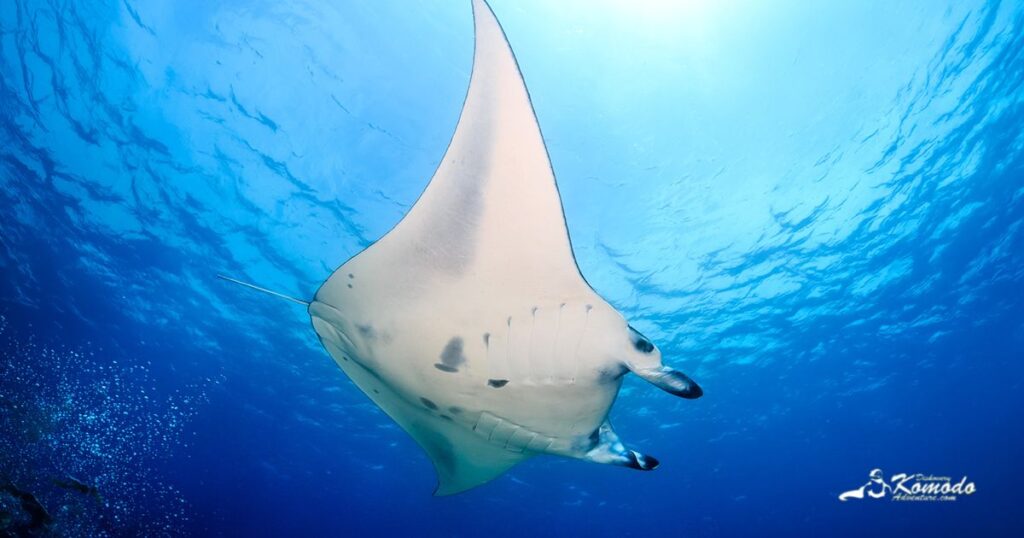
Mantaray are one of the giant fish in the open ocean. It has the iconic width and length of their body swarming around the water. This particular fish is quite rare to see, even though they are surface creatures. They do not quite literally exist in any open water because of their specific body design.
This kind of wildlife wonder is also a core part of the sea’s ecosystem. This makes Manta a protected animal mostly by any country that has this giant around its territorial waters. In particular, in countries like Indonesia, this kind of fish grows abundantly in some regions. You may find many of the mantaray in Indonesia, especially on Komodo Island.
Therefore, there are some facts you need to know before visiting this giant beauty of the ocean to improve your excitement. In this article, you can find some interesting facts about this animal before exploring them below the water. You might need some good timing and also a proper way to meet them; otherwise, you will miss them during your diving.
Is Mantaray a Stingray?
No, Mantaray is not a Stingray. This is because they are a different species with different abilities and habitats. However, they belong to the same distinct families. Manta fish are classified under Mobulidae, while stingrays fall into eight separate families. This distinction highlights key evolutionary differences despite their outwardly similar appearances.
These kinds of fish are among the largest rays in the ocean. Their size as a giant oceanic species reaches widths up to 23 feet and weighs nearly three thousand pounds. Reef manta rays grow slightly smaller at around 18 feet. In contrast, stingrays vary significantly, from tiny Atlantic stingrays at ten inches wide to freshwater and short-tail stingrays approaching eight feet across and hundreds of pounds.
The habitat of Manta also makes them different from the stingrays. Manta Rays live in warm tropical and subtropical waters, either in association with coral reefs or in open sea. Stingrays live in rivers, sea beds, and coastal areas. But unlike stingrays, Manta Rays are harmless. Here are some simple tips to visit mantaray:
- Visit Makassar Reef (Manta Point) or Manta Alley for the highest likelihood of sightings.
- Time your dive or snorkel during rising tides when manta rays are most active.
- Observe from the reef bottom and avoid chasing or touching them.
- Plan your trip during the peak season from December to March.
- Watch carefully from the boat, as rays can often be seen before entering the water.
Fact about the mantaray
Mantaray are large pelagic fish found in temperate, subtropical, and tropical waters worldwide. Manta is known for their intelligence and has advanced cognitive abilities for learning and solving problems. These filter-feeding fish are mainly herbivores and eat zooplankton by swimming with their mouths open to filter food from the water.
These beautiful animals tend to swim close to the surface of the ocean, gliding effortlessly through the water. Another thing that makes them so great is that they can live for more than 20 years. Their behaviour and role in the ocean make them an important part of the ocean environment. Below, you will see key facts about this giant to improve your curiosity about this fish.
Manta rays are ovoviviparous creatures.
Mantaray are very interesting because they give birth to live young, which is referred to as ovoviviparity. Unlike animals that give birth to young ones, manta ray embryos form inside an egg that develops inside the mother’s body, hatching and then being born as complete young ones. Mature manta females give birth once every two to five years.
Manta rays are intelligent creatures.
Manta rays are also notable due to their large brain-body mass ratio, which is considered the largest among all fish species. With this high level of intelligence, manta rays are able to recognise their surroundings with the help of their vision and smell. Manta rays are also able to pass the mirror test, showing a sign of self-recognition.
The origin of the “manta” name
The name mantaray comes from the Spanish word “manta”, meaning “blanket” or “cloak”, which suits their large, diamond-shaped bodies and broad triangular fins. Their cephalic lobes, used to funnel plankton into their mouths, stay coiled while swimming, and these unique head structures have also earned them the nickname “devil fish” in certain regions.
Let’s explore the world of Manta rays with Discovery Komodo Adventure!
There are some fun facts about the mantaray you could know before swimming along with this kind of fish. Don’t worry, they are quite friendly to you and safe to dive with, as they are curious about the environment. You could also take a beautiful photograph with this giant, friendly creature underwater for a nice memory.
To help you befriend this fish easily, the Discovery Komodo Adventures are ready to help you on the island! Enjoy many trip packages around Komodo Island, including meeting with the manta rays. The expert team of Discovery Komodo are ready to accompany your journey to explore the magical ocean in the island.
