
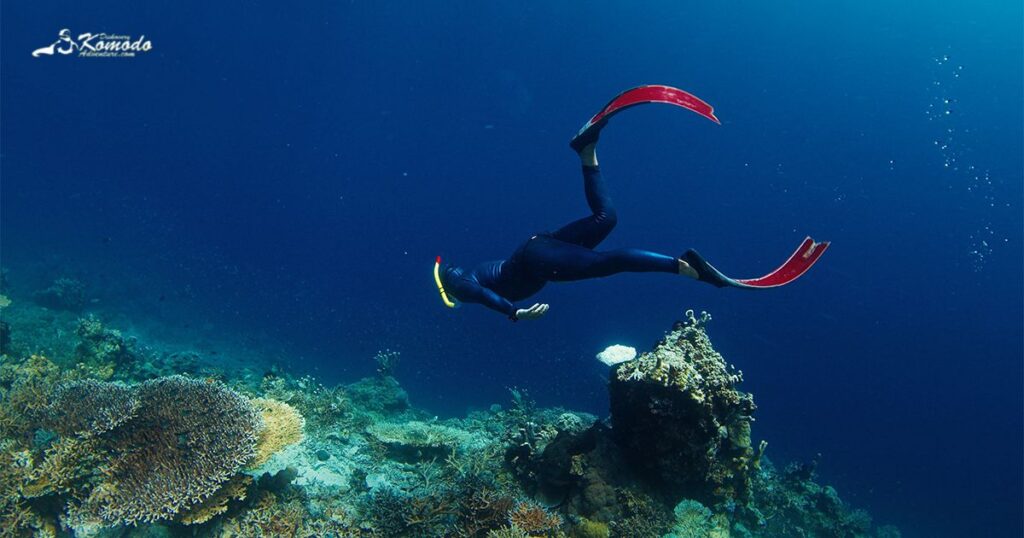
Did you know that water removes a person’s body heat 30 times faster than air? Divers should never underestimate a diving suit, as a well-designed one regulates body temperature, protects the skin, and keeps them comfortable and focused underwater. While diving is much safer than other high-risk sports, it doesn’t allow people to completely ignore the hidden danger.
Divers report around 200 diving accidents worldwide each year, and incorrect or poorly chosen gear causes most of them. This shows the importance of choosing the right diving suit and other equipment before deciding to go into the water. This article is a complete first step to understanding everything that you need to know about a dive suit. It is going to cover topics such as its meaning, its type, and how it actually works under the water. So, if you are planning to buy one, then make sure you read this till the end.
What is the meaning of a diving suit?
It is a specially designed garment worn by divers to protect the body underwater. As discussed earlier, it allows them to stay warm, comfortable, and safe during a diving session. Especially in places within the Komodo National Park, such as Flores, Labuan Bajo, or the Manta Point, where water temperatures and currents vary by season and location, many experienced divers use multiple suits to stay prepared year-round.
Now that you understand what a diving suit is, it helps to know why people invented it. Early divers created them to explore and work underwater, using leather and heavy canvas connected to surface air pumps. While effective, these early suits were bulky and limited a diver’s movement underwater.
The 20th century was one of the breakthroughs for the improvement of scuba suits with the first-time invention of a neoprene wetsuit. It traps water and body heat to keep divers warm for a longer period of time. Today, it has massively evolved into different types of wetsuits and drysuits for different water temperatures and underwater environments.
Different types of a diving suit
Diving suits come in different types to suit various diving conditions. Understanding the dive location and its water and weather conditions helps divers choose the most suitable suit for their activity. Below are the different types:
- Wetsuit – It is the most common type, specially used for recreational diving purposes. A wetsuit is made from neoprene and allows a small amount of water to enter, which keeps the body warm.
- Drysuit – A drysuit is designed to keep the divers completely dry underwater. It gives them insulation by trapping air underneath, making it ideal for cold temperatures.
- Semi-dry suit – This diving suit is a combination of a wetsuit and drysuit. The suit uses tight seals at the diver’s ankles, wrists, and neck while still allowing some water to enter.
- Full body dive suit – It covers the entire body and provides maximum protection against the water and underwater hazards, such as the corals and harmful fish.
How does a diving suit work?
It works by insulating the body, reducing heat loss, and protecting the diver underwater. Yet, divers think it is just an outfit that needs to be worn for the sake of it. They fail to realise that it is not only protecting them but also keeping them stress-free underwater. It also helps them to protect the marine life by reducing their contact with the coral and the living species underwater.
This section is going to help you understand how a dive suit works to protect you. This basic concept forms the foundation of every single diving suit, and while manufacturers continue to improve and innovate, it helps you understand the main process that protects you underwater.
Thermal insulation
This suit fits tightly to minimise water movement and regulate body temperature underwater. In cold conditions, a wetsuit traps a thin layer of water warmed by body heat, helping divers stay warm. In contrast, a drysuit keeps water completely out by using multiple insulating layers for comfort, safety, and performance.
Physical protection
As discussed earlier, a diving suit acts as a protective barrier underwater against major life-threatening hazards from sharp rocks, fish, and corals. It also helps in preventing the risk of cuts, stings, and bangs during a dive. Moreover, it also reduces their chances of drowning if they are physically safe, because it will help them dive smoothly without any hindrance.
Buoyancy support
A buoyancy support for divers refers to the control of the diver’s ability to float or sink underwater. A proper diving suit plays an important role in providing natural buoyancy and improving safety. It also reduces their physical efforts to swim, allowing them to dive more smoothly without exhausting themselves.
Plan your next underwater adventure with Discovery Komodo Adventure.
Now that you have a basic understanding of a diving suit, it’s time to plan your trip to one of the best diving destinations in the world, Komodo Island. It offers exceptional marine biodiversity, crystal-clear waters, and nutrient-rich currents. You will also get a chance to see manta rays, sharks, turtles, and different coral reefs. This site is suitable for both experienced and guided recreational divers.
Discovery Komodo Adventure is one of the best and most trusted tour providers for the Komodo Island Tour. They offer the most lucrative packages with the best prices. Their team is highly experienced and trained in organising the tours. For those who are travelling alone, you don’t have to worry, because you are in safe hands. So hurry up and book your spot for an unforgettable lifetime adventure.
