
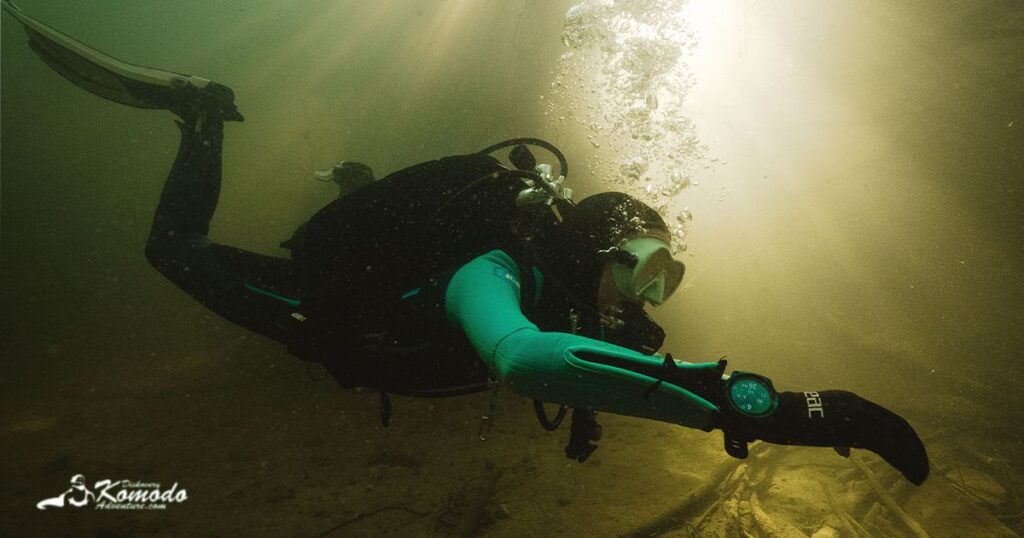
Cave diving is one of the most exciting underwater activities that is quite popular in the world. The cave under the ocean is one of the best things to explore to see how the hidden side of nature works. The cave offers many surprises, especially for someone who likes excitement or even the experienced diver. But, as another risky activity, it also is risky, even for an expert.
In addition to that, there are many unfortunate accidents that happen when someone is diving in an underwater cave. This is quite a cause of questions among the public. Many questions arise for the beginner diver’s safety. Though it’s undeniable, diving in underwater tunnels is one of the most dangerous kinds of activity. Thus, it requires a lot of experience.
Learning diving safety is one of the most important things when you are planning to do this activity. Beginners need to prepare before exploring the deep oceans. In that case, here we are preparing a set of rules of safety you need before doing the cave diving. This point is an important thing for the new diver’s to avoid accidents and ensure a better experience.
What is Cave Diving?
Cave diving is an activity to explore an underwater cave for scientific research or recreation. This kind of activity also requires good physical strength. Often, the divers depend on more specialised equipment under any situation when visiting the cave’s water. The divers also need to follow some safety rules to avoid any injuries.
Additionally, the underwater cave has many challenges, such as small spaces, limited view, and many paths. The cave’s water usually has a few exits. It is quite dangerous, especially without clear signs and gear. This means divers need many problem-solving skills since any small mistakes could be a serious problem. Learning these skills improves the experience when you visit the underwater world.
5 rules of safety before cave diving
Cave diving is one of the most exciting underwater activities. Note that this kind of activity comes with a lot of risk and needs careful preparation. Unlike open water diving, caves are places with challenging space and dark spots. Understanding and following the important safety rules could mean different results, especially when trying a difficult activity.
Before you step into the water, there are several safety keys every diver must follow. These rules cover everything from training and tools to mental readiness and communication. By following these rules, divers could explore the underwater tunnels with confidence and minimum risk. The following section outlines the five rules of safety that every cave diver should follow before going on a dive.
Obtain proper training and certification.
Before trying any cave dive, it is crucial to receive professional training from certified instructors. Cave diving is far more complex than recreational diving. For that reason, it needs to understand the emergency steps. It is best to get an official training course from such organisations as PADI, NAUI, and TDI. It helps the divers to be aware of narrow places, low views, and unexpected situations underwater.
Use the right cave diving equipment and do proper maintenance.
Cave diving needs more equipment than standard scuba gear. Important items include many functions for lighting, oxygen, and strong materials. Divers also should carry spare air tanks or backup gas sources. Daily maintenance and equipment checking are mandatory efforts for the diver’s safety. Choosing reliable, certified gear can prevent emergencies and provide peace of mind during the activity.
Plan your dive and assess the risks.
A good dive plan is essential for safety. Divers must memorise the route to identify entry and exit points. The rule of thirds technique is one of the common ways divers could try when inside the cave’s water. Divers should prepare one-third of the air supply for the way in and for the way out. Then divers need to save one-third for emergencies. By planning and preparing for obstacles, divers can minimise surprises under the water.
Communicate effectively and use the buddy system.
Cave divers should not dive alone. The buddy system is a basic safety principle to ensure the divers’ safety in case of emergencies. Clear communication methods, such as hand signals and light signals, are used to deliver the message since talking is not possible. Practising communication and regular training with your buddy strengthens safety and improves confidence under the water.
Maintain mental preparedness and situational awareness.
Cave diving needs mental discipline as much as physical skill. Panic or poor decisions can quickly make small problems into dangerous ones. Divers should learn stress control and stay focused. Maintaining a routine check on their surroundings is also important. Awareness of the situation allows divers to detect any change nearby, such as water flow, pressure, or environmental hazards. Experience, preparations and mental readiness together are a natural defence against such risk when diving inside the cave.
Essential Equipment for Cave Diving
Cave diving needs you to avoid any dangerous material and any dangerous place, especially when it comes to dangerous cases. The right tools ensure safety, help find the way better, and prevent emergencies. Divers must select their gear carefully, maintain it, and prepare for backups for critical items. Each piece of equipment plays a specific role to ensure a complete and functional dive.
Ignoring the safety gear and backups could turn a thrilling and exciting dive into a dangerous situation. The cost for the diving tools may have a range of about $2,500-$12,000 (Rp 42,300,000 – Rp 203,000,000). The price included extra safety tools and durable suit materials, especially against the water pressure or the cave’s dangerous materials. Here we prepared an important list of equipment before diving:
- Dive lights: Main and backup lights provide visibility in dark caves. Carry at least two lights per diver.
- Reels and lines: Guide reels help navigate through lot tunnels and mark the exit route.
- Backup air supply: Extra tanks or sidemount cylinders ensure safety in case the primary tank fails or is damaged.
- Helmet: Protects the head from low ceilings, rocks, and debris in confined passages.
- Backup regulators: Secondary regulators allow continuous breathing when cave diving if the main one experiences malfunctions.
- Wetsuits and drysuits: It is important to keep the divers warm, as the water can be freezing.
- Fins and mask: Standard but critical for movement and clear vision under the water.
- Depth and pressure gauges: Monitoring air and depth prevents going more than the safe limit.
- Cutting tools: Knives and/or shears help free lines or stuck equipment during emergencies.
Common mistakes to avoid in cave diving
Cave diving is an exciting activity which needs focus and discipline. Even experienced divers can make mistakes. Small errors like ignoring equipment checks or ignoring dive plans can quickly turn into serious problems. Understanding the common mistakes helps divers stay aware and avoid unnecessary hazards. Awareness creates a safer and more enjoyable dive experience.
Many beginners ignore critical details that affect safety and comfort. Mistakes often occur due to excitement or a lack of preparation. Understanding the mistakes could improve better planning and make one more aware of the situations. The following sections are key mistakes to avoid to help the beginner and expert divers improve their safety practices.
Diving without proper training
Many divers underestimate the skill required for cave exploration. Attempting cave diving without certification or experience can be pretty dangerous. Diving under the cave is in need of the navigation knowledge, emergency procedures, and equipment redundancy. Lack of training results in risk of panic, disorientation, and any other serious incidents. Always put this as one of the top priorities before planning to dive.
Ignoring cave diving equipment checks
Failing to inspect gear is a common cause of accidents. Divers should test lights, regulators, and reels before every dive. Neglecting maintenance increases the chance of equipment failure under the water. Backup air, lights, and cutting tools must always be ready for any case. Proper equipment checks provide confidence and ensure every dive is safer.
Diving alone
Cave diving alone is a must-not-do, especially for beginners or those who are just familiar with the underwater environment. The buddy system is highly recommended for high safety measures to allow mutual support during emergencies. Solo diving eliminates this safety net and increases the stress level and panic risk. Even small problems can exist without anyone to back them up. Always plan a dive with a partner or trained guide.
Poor dive planning
Skipping dive planning can lead to dangerous situations. Divers must estimate air or oxygen tank consumption, mark routes, and note exit points. Ignoring the dangerous material or the cave structure could result in dangerous situations. Enough planning reduces surprises and ensures the divers remain aware of their environment. Having a buddy is also being an extra life safer in any case of lacking the proper equipment.
Underestimating mental preparedness
Stress, panic or overconfidence can endanger safety. There are many cases, even for the most expert divers, that one is still experienced in cave diving until this very day. Divers must stay calm and focused to maintain proper decision-making when risks exist or rise. Mental discipline is also equally important as physical skill. Practising situational awareness and stress management helps the divers to respond calmly to any unexpected challenges.
Relying too much on technologies
It is always important to have proper and modern gear for extra safety measures. But being overly dependent on it could risk reducing awareness. Lights, computers, or dive reels may fail or break. Divers must at least maintain navigation skills and basic safety learning. Always plan for basic manual safety and basic tools such as knives or shears. Never assume technology will totally remove the risks.
Exceeding the dive training limits
Professional training always starts from the beginner, intermediate and advanced levels. Divers usually become too overconfident since they already have some basic proper training and tend to neglect their capabilities in cave diving. Always be aware of the training level you are allowed to dive. This is because any cave has its own level of difficulty for the water flow or the cave’s paths.
Conclusions
Following the proper safety rules, using the safety gear, and maintaining mental focus will make diving exciting. Divers who complete training, plan carefully and understand risk enjoy more confidence and control during cave diving. Safety is always the top priority for every safe and enjoyable cave adventure journey.
Our team at Discovery Komodo are ready to help any new and seasoned divers visiting the beautiful part of our island. Explore the underwater heaven with us, the most trained and highly skilled divers, to get the unforgettable experience and extra safety. Enjoy many of our tour packages and our careful teams to make the cave diving adventure a memorable experience.
